Type beat explained how to pick a hard trap instrumental and turn TENSION into a finished track
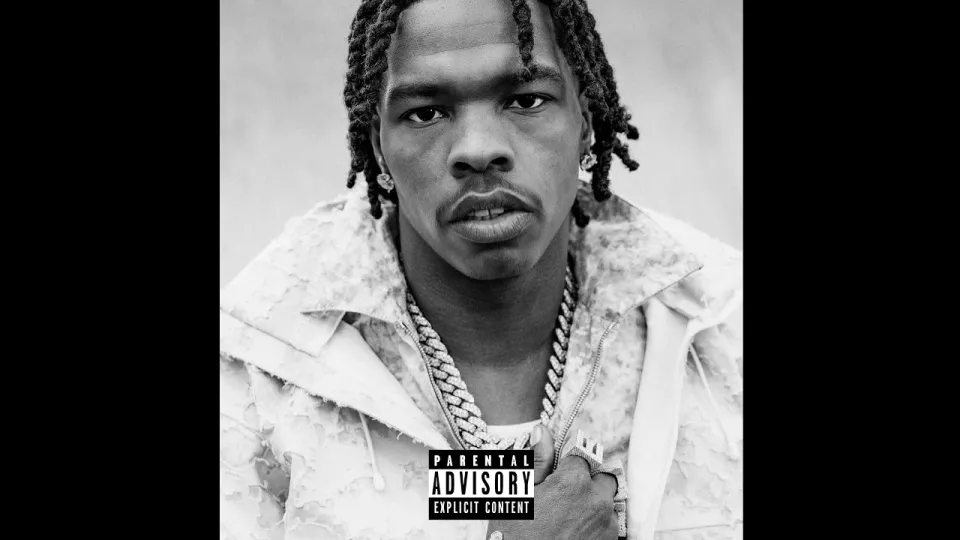
Video: TRAP TYPE BEAT - "TENSION" | FREESTYLE BEAT | HARD TYPE BEAT | FREE RAP INSTRUMENTAL 2026
Want articles like this for your own video to promote it on YouTube and Google? Order them through the Telegram bot @sat_sit_bot. It writes articles around your video, embeds the video and publishes them on popular niche websites (no ads). Try it free: 50 articles on us.
· based on the channel STORM
A type beat is a rap instrumental written in the style of a specific artist, producer or subgenre, sold with a license that spells out exactly how you may use it. STORM's "TENSION" is a hard trap type beat published on 15 September 2026 as a free rap instrumental for freestyle use, and both the untagged for-profit license and the tagged non-profit download are reachable through the purchase and download page. If you want a beat you can rap on today, the practical path is: grab the tagged file, write to it, then upgrade to the untagged license before you monetize.
What a type beat actually is and why producers name them
A type beat is a marketplace convention, not a genre: the producer tags the instrumental with a reference artist or a mood so that rappers searching for a specific sound can find it fast. That is why the same file can be listed as a trap type beat, a hard type beat, a freestyle beat and a rap instrumental at once — the labels describe the search intent, not four different songs. In practice, three things define a type beat listing:
- A reference: an artist, a subgenre or a vibe ("hard", "dark", "smooth").
- A license tier: free tagged, leased, exclusive.
- A delivery format: MP3 or WAV, tagged or untagged, with trackout stems on higher tiers.
For buyers this is efficient. Instead of describing a tempo, a key and a drum pattern to a producer over email, you type the sound you hear in your head and audition twenty options in an evening. For producers it is a discovery engine: the tag is how a beat gets found at all.
Inside STORM's "TENSION": what a hard trap beat gives a writer
"TENSION" sits in the hard trap lane — the subgenre built on heavy 808 bass, sharp hi-hat rolls and minor-key melodic loops that leave a wide pocket for a vocal. A hard type beat is not just loud; it is arranged so the rapper has somewhere to sit. The usual architecture looks like this:
- An intro that states the main melodic motif without drums, so you can hear the key before you write.
- A verse section with the full drum kit and 808 pattern, often with the melody thinned out to leave space for the voice.
- A hook section where the melody returns at full volume, which is where a repeated, chant-like chorus works best.
- A bridge or breakdown, frequently a filter sweep or a drop-out of the drums, used as a reset before the final hook.
The freestyle angle matters here too. A freestyle beat is one whose loop is predictable enough that you can ride it without counting bars — the pattern repeats cleanly, the transitions are audible, and nothing in the arrangement fights the vocal. That is exactly what makes a beat usable for a one-take recording session rather than a month of arrangement surgery.
How to license a free type beat without getting a claim
The free version of a type beat is a promotional tool, and its limits are strict: STORM states that the free tagged download is available to subscribers for non-profit use only, meaning YouTube or SoundCloud uploads with no monetization, and it is not cleared for streaming services such as Spotify or Apple Music. Read that as a three-step ladder:
- Free tagged file — writing, demos, practice, non-monetized uploads. Keep the producer tag audible; removing it breaks the terms.
- Leased or untagged license — commercial release, monetization, distribution to streaming platforms. This is the tier you buy through the purchase link.
- Exclusive rights — the beat is removed from sale and no one else can license it, which is the tier you want if the song becomes a single.
Two habits prevent almost every dispute. First, save the receipt and the license PDF in the same folder as the session file, because distributors and content-ID systems ask for proof of rights. Second, register the beat's title and your song title separately in your own notes, so you can match a claim to the exact instrumental it refers to. Producers who sell on BeatStars, including STORM, deliver licenses automatically with the purchase, which makes that paperwork a download rather than a negotiation.
Writing, recording and releasing a track on a trap instrumental
A type beat only becomes a song after four concrete decisions, and they are easier to make in order. Start with tempo feel: a hard trap beat usually wants a half-time vocal delivery, where you land the punchline on the snare rather than filling every hi-hat. Next, map the structure before you write a single line — mark where the hook starts, where the beat drops out, and where you will leave eight bars of space for a feature or a beat switch.
Then record in layers. Track a scratch pass over the whole beat to lock your flow to the pocket, then replace it line by line, keeping the scratch as a reference in your headphones. Print ad-libs on a separate track so you can mute them for a clean radio edit later. Finally, mix the vocal so it sits above the 808 without fighting it: high-pass the vocal around the low end, and let the bass own everything below roughly 100 Hz.
Release mechanics follow the license. If you are on the free tagged file, your upload stays non-monetized on YouTube or SoundCloud. If you bought the untagged license, distribute normally, register your publishing share, and keep the producer's credit in the metadata — the split is usually agreed at the point of sale, so confirm it before the song goes live rather than after it charts.
Common questions from rappers shopping for beats
The comments under free type beat uploads are a reliable map of what buyers actually worry about, and the same four concerns come up repeatedly. The first is identity: listeners notice when a beat has a strong character of its own, and writers worry that a type beat will make their song sound like everyone else's. The fix is in the top line — melody, cadence, subject matter — not in the instrumental. The second is atmosphere: a beat with a distinct mood, dark or tense or cold, does half the emotional work of a record before a word is written, which is why mood tags matter as much as artist tags.
The third concern is money and timing. Producers run promotions — STORM's store runs a buy-one-get-one-free offer on all beats — and writers reasonably ask whether they should buy now or wait for a sale, and whether a free download is enough to test an idea. Test with the free file, buy when the song is real. The fourth is confidence: beginners ask whether their music is good enough to release at all. The honest answer is that a finished, licensed, correctly credited release teaches you more than another year of unreleased demos, and the barrier to entry on a type beat is deliberately low.
Useful links
- Purchase untagged license and free tagged download: https://bsta.rs/7G7Oj
- STORM's instant beat store: https://www.beatstars.com/stormbeatzz/
- BeatStars profile: https://www.beatstars.com/stormbeatzz
Final word
A type beat is a shortcut to a professional-sounding instrumental, but the shortcut only pays off if the licensing is handled as carefully as the writing. STORM's "TENSION" gives you a hard trap foundation and a clear two-tier offer: a tagged free download for non-profit use and an untagged license for commercial release, both available at the purchase and download page. Pick the tier that matches your release plan, write to the pocket rather than over it, and keep your license file next to your session file. The article you have just read was put together around STORM's release, and the channel is worth following if you want more hard type beats in the same lane.
Key takeaways
- A type beat is an instrumental built in the style of a specific artist or subgenre, sold with a license tier attached.
- STORM's "TENSION" is a trap type beat published on 15 September 2026 as a free rap instrumental for freestyle use.
- The untagged, for-profit license and the tagged, non-profit download are both routed through https://bsta.rs/7G7Oj.
- Free tagged versions are limited to YouTube and SoundCloud with no monetization and are not cleared for Spotify or Apple Music.
- STORM's store runs a buy-one-get-one-free offer on all beats via BeatStars.
Questions & answers
Can I upload a song on a free type beat to Spotify?
No. The free tagged version of a type beat is licensed for non-profit use only, which typically means YouTube or SoundCloud with no monetization. Streaming services such as Spotify and Apple Music require the untagged, paid license, so buy that tier before you distribute.
What makes a beat a "hard" type beat instead of just a trap beat?
Hard describes the mood and weight of the arrangement: aggressive 808 bass, sharp hi-hat patterns, minor-key melodies and a lot of low-end impact. Trap is the broader genre; hard is the specific character within it that writers search for when they want an intense record.
Do I have to keep the producer tag in my song?
On the free tagged download, yes — the tag is part of the non-profit terms and removing it breaks the license. On a purchased untagged license the tag is removed from the file, and you credit the producer in your release metadata instead.
Should I buy a beat before I have written anything to it?
Write first on the free tagged file to confirm the beat fits your flow and your song concept. Once the track is real and you plan to monetize or distribute it, buy the untagged license, and check the store's current promotion before paying full price.
Source: TRAP TYPE BEAT - "TENSION" | FREESTYLE BEAT | HARD TYPE BEAT | FREE RAP INSTRUMENTAL 2026 · Markdown version